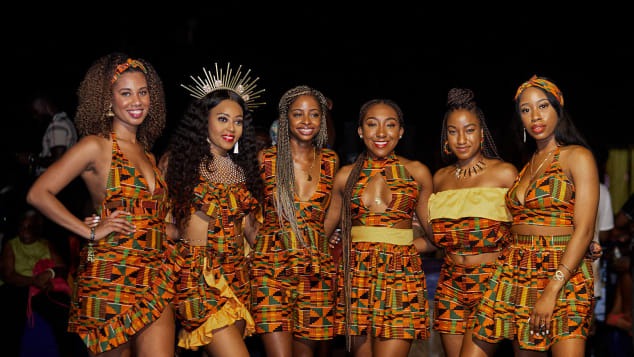


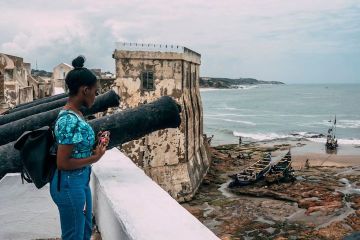
A new Harlem Renaissance
The Pan-African movement
'A spiritual and birthright journey'
A rival to Ibiza or Cape Cod?

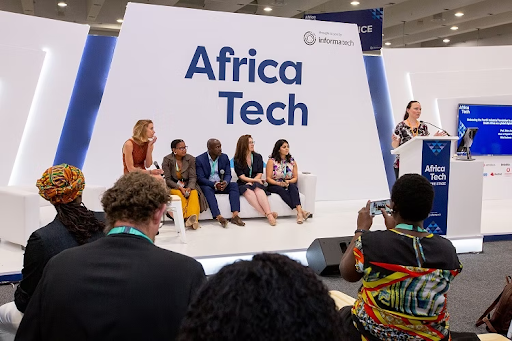
For the 15th year, Africa Tech Festival (formerly AfricaCom) has awarded brilliant startups that are changing the game in the African tech ecosystem, spotlighting industry players and solutions that are contributing to the digital revolution sweeping across the continent.
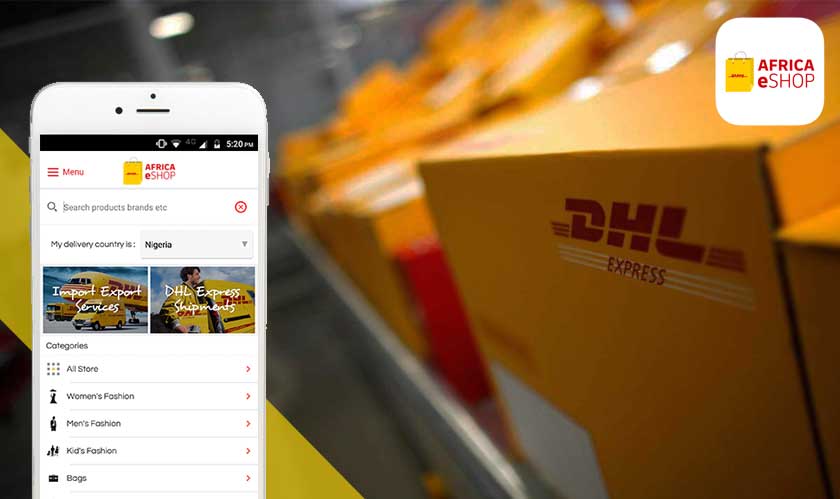
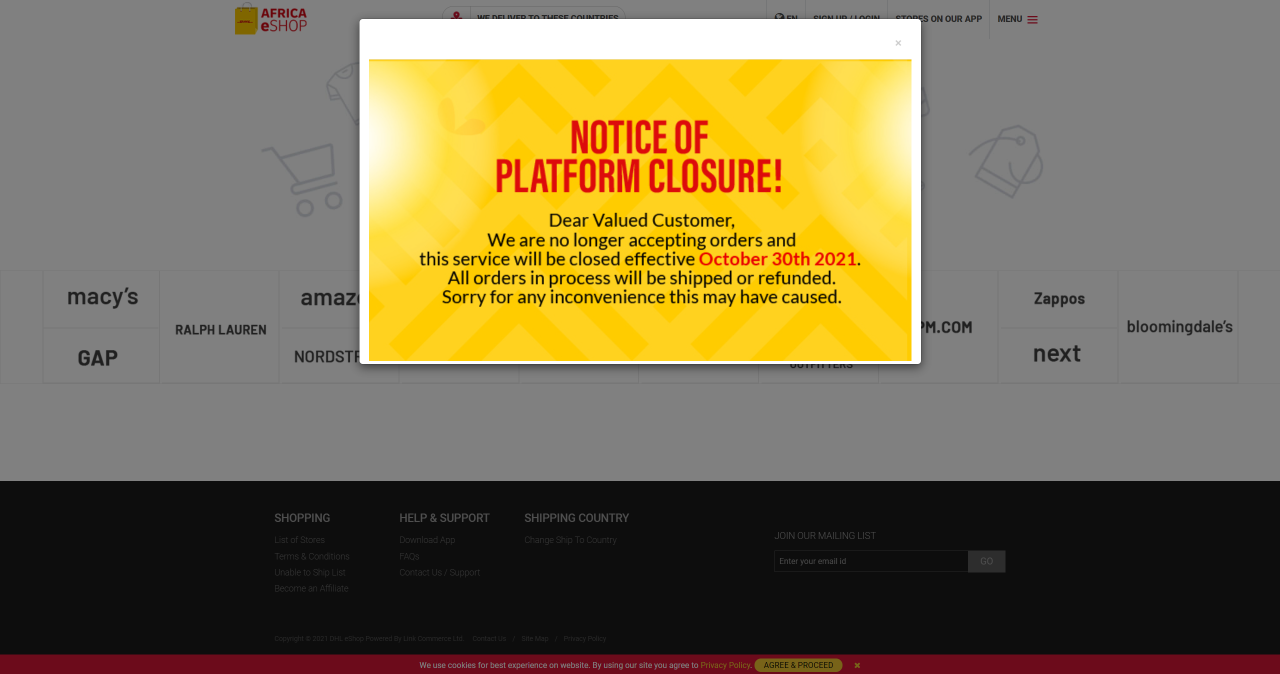
After two years of operation, DHL Africa is shutting down its pan-African online retail platform, e-Shop, at the end of the month.
“We are no longer accepting orders and this service will be closed effective October 30th, 2021. All orders in process will be shipped or refunded. Sorry for any inconvenience this may have caused,” a message on the Africa eShop website reads.
Launched in 2019, eShop was designed to help global retailers sell goods to Africa’s consumer markets.
Through the platform, consumers in Africa could shop directly from more than 200 US- and UK-based online retailers, with purchases delivered to their door by DHL Express.
Being a global leader in express logistics, DHL appeared to be well-positioned to connect African consumers with global brands, and an early-stage boom suggested that presumption was correct.
Within seven weeks of operations in 11 countries, DHL expanded the platform to nine more countries across the continent. This followed “impressive growth” in the usage of the Africa eShop app, Hennie Heymans, CEO of DHL Express Sub-Saharan Africa (SSA) said at the time. By August of 2019, the platform had been rolled out to 34 countries across SSA.
Once considered a threat to leading e-commerce players in Africa, DHL’s eShop offered relatively faster delivery compared to its peers but was also one of the most expensive platforms for international shopping, some of its users told TechCabal.

However, for reasons not stated, eShop has now been delisted from mobile application stores and some features on the platform have been disabled as DHL moves to shut down the service on October 30.
It is not immediately clear if the company is closing its eShop operations in other regions too, such as the Middle East and North Africa (MENA).
TechCabal reached out to DHL Africa for answers but has yet to receive a response at the time of publication.
Hi, unfortunately the eShop is closing 30 October. How can we assist you?
— DHL Africa (@DHLAfrica) October 21, 2021
While the Africa eShop appears to be a standalone e-commerce platform owned by DHL, that isn’t the case.
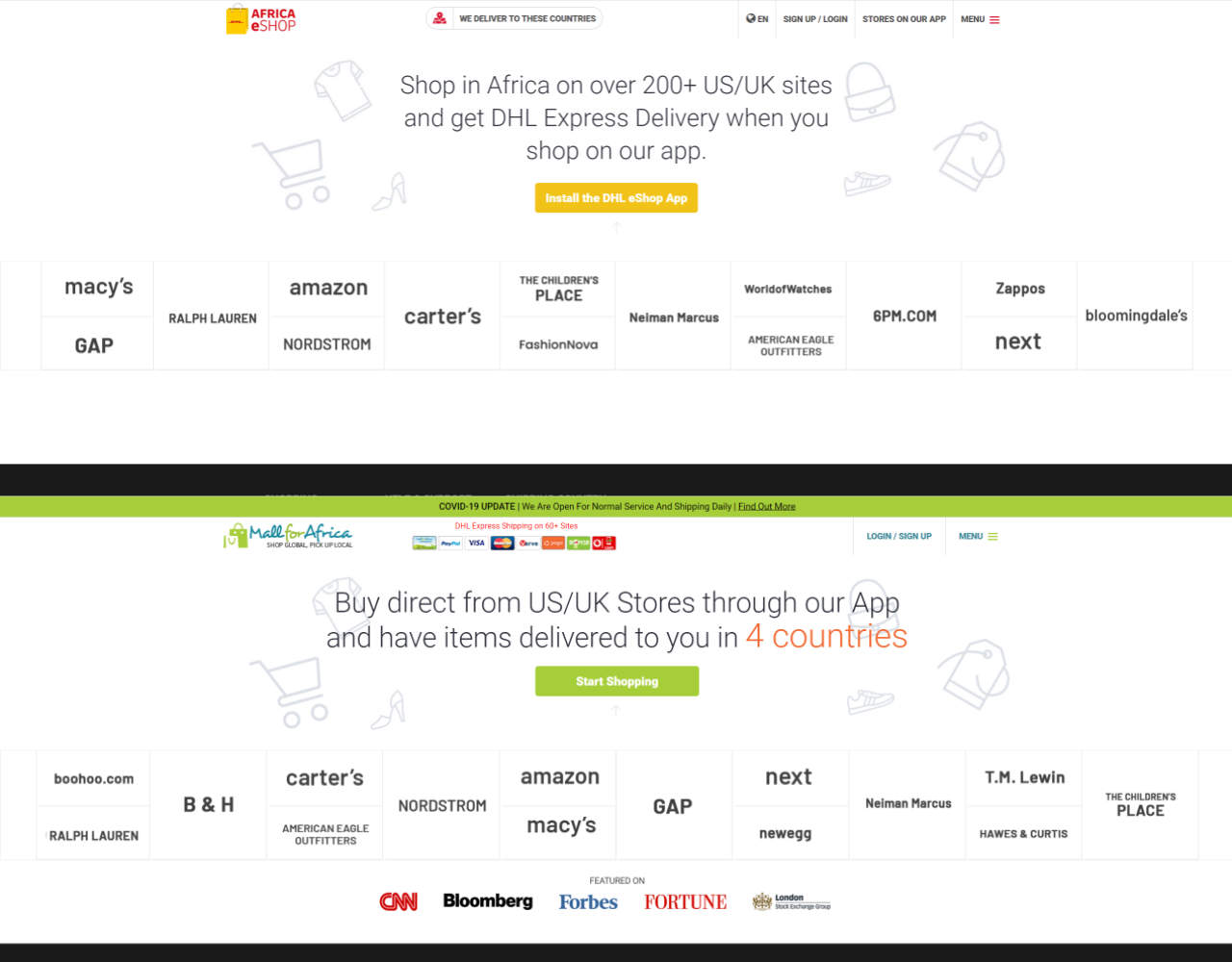
The eShop service was developed using Link Commerce, a white-label solution for e-commerce in emerging markets, owned by Nigerian company MallforAfrica.
Retailers can plug into Link Commerce’s platform to create a web-based storefront that manages payments, procurement, and logistics to sell online.
Being a white-labeled product, DHL’s Africa eShop website and offerings are very similar to that of MallforAfrica.

DHL has been a logistics partner for MallforAfrica since 2018 and that was not the first time both parties would come together to create an e-commerce platform.
In July 2018, the two companies co-launched Marketplace Africa, an e-commerce site for local African artisans to sell their products to buyers in any of DHL’s over 200 delivery countries.
Last year, DHL bought a minority stake in Link Commerce as it looked to expand its logistics customer base in Africa.
If you enjoyed reading this article, please share it in your WhatsApp groups and Telegram channels.
Source - TechCabal.
“Sell on Amazon from Nigeria”. It sounds juicy right?
Many Nigerian and African vendors or sellers will definitely make a run for it and there’s nothing wrong with that. But there’s more to consider.
Will Africans Grow Indigenous Online Marketplace Ecosystems?
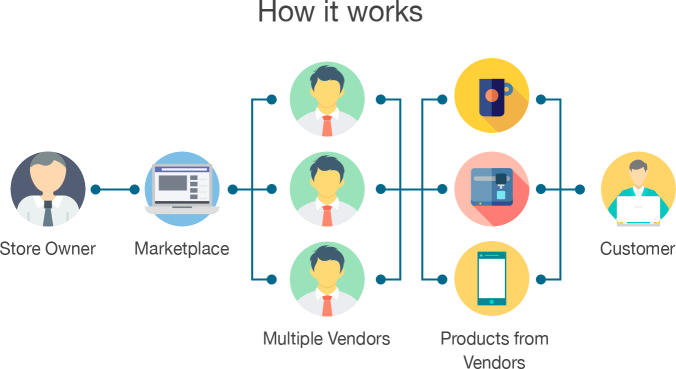
Cartehub Africa Marketplace is standalone software that allows you to create your own online store front in a literal marketplace but now on the internet.
As an independent vendor, you can sell your products through a single storefront.
Join our dynamic African marketplace with millions of shoppers all over the world looking to buy extraordinary items made in Africa.
Register or sign up for free. Sell at the most convenient prices and you only pay a little commission on orders we bring you. You also get large orders from shoppers within and outside Africa. The world sees you.
Focus on what truly matters – your creativity, and let us take the stress of bringing more online sales off you. We sell your products and brand to help grow your business.

Unique, handmade, organic and made in Africa items from Fashion, Fabrics, Arts & Crafts to Body care, African food, Health & Fitness and more.
Signing up is easy. Fill a merchant signup form; receive an email requesting further business and product details and our tech team will set up your store with the details you provide. Your store is open for business.
Our tools and software help you conveniently manage your orders, track your business and promote our products and brand.
All payments are processed through Paystack for African users and PayPal for shoppers outside Africa. Prices of items are listed in NGN (Nigerian Naira). If your currency is not NGN, the amount charged to your card may vary based on foreign exchange rates.
Whenever you have a question, reach out to our support team via email or phone call. We are available to handle all enquiries promptly.

I set foot in Africa for the first time in 2017. As Special Advisor to the United Nations Conference on Trade and Development, I have visited Kenya and Rwanda. Having done a lot of research before leaving, I thought I knew what to expect – and hoped to get out of my comfort zone.
I was not used to analyzing the situation in a foreign country. To my surprise, it was not much different from what I had experienced at home in China.
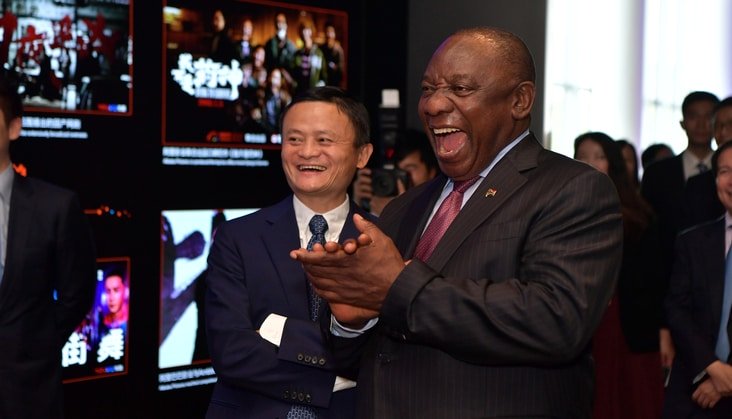
On each of my trips, I try to meet young entrepreneurs. And the continent was no exception. So I talked to African entrepreneurs. I discovered their personal stories, their dreams. And suddenly I found myself propelled twenty years back in time, to the time when Alibaba was founded.
Across the continent, I have found that most entrepreneurs are not as obsessed with the idea of having a successful career as their American or, increasingly, Chinese colleagues. Prudent, they are primarily looking for stable, salaried employment in sectors such as banking, energy or mining.
Entrepreneurship is about the players, those who are unable to do a traditional job and who, to make a living, have to fight and be creative.
I am convinced that Africa’s future belongs to its entrepreneurs, those tireless dreamers for whom every problem is an opportunity. I have no doubt that all these young people we will meet in 2017 will be the future heroes of the continent. And I have promised myself that I will do everything I can to help them achieve their goals.
Africa is ripe for radical transformation. The world is undergoing a digital revolution that could lead to changes of unprecedented magnitude. All you need now is a smartphone to take out a loan and start a business. Mobile and internet technologies allow everyone to access a very wide range of products and services.
The digital revolution has the potential to bring tremendous prosperity to the continent, provided it has the entrepreneurs and businesses capable of carrying it out. Skeptics may well point to the inadequacy of its infrastructure and believe that it is not at all ready to enter the digital age, but they are mistaken: on the contrary, it is very well placed.
In this new world, heavy infrastructure is of little use. When a system works too well, there is resistance to change. The legacy is too heavy to carry.
Fortunately, this was not a problem in China in 1999, when I created Alibaba. We had a large population, low per capita income, and poorly developed infrastructure in the retail, logistics and banking sectors.
But two decades later, the number of Internet users has risen from 8.8 million to 850 million; per capita income has risen from as low as $800 to as high as $9,000; and e-commerce sales total $1 trillion.
The Alibaba Ecosystem alone has created more than 40 million jobs throughout the country. Last year, e-commerce revenues exceeded $97 billion in rural China, generating nearly 7 million new jobs.
And Africa can do even better. As in China, the lack of infrastructure is an asset there. Another ingredient for its future success is its 1.3 billion inhabitants, 40% of whom are under 16 years old. Six of the ten fastest growing economies in the world are African. And the number of smartphones per capita is growing rapidly.
In order to prosper, the continent must adopt what I call the “4 Es”.
The first is entrepreneurs. It is imperative that we support them and inspire a new generation. Let’s show young Africans what they can do to transform society. And it’s not about celebrating billionaires, or mobilizing public savings to benefit them. I’m talking about start-ups that promote inclusive growth and help solve social problems.
This is why my foundation has just created the African Netpreneur Award. For the first edition, this year, we have sought out the most impressive entrepreneurs across the continent. More than 10,000 applications were selected. The ten finalists were chosen during a major televised event.
What was at stake? A large sum of money, of course, but also supervision of the activities of the winners and training courses.
The three winners are Temie Giwa-Tobosun, Christelle Kwizera and Dr Omar Sakr. They are all among the world’s most promising innovators. It goes without saying that we intend to reward and support these fantastic entrepreneurs. But more importantly, we would also like them to be a source of inspiration for others.
The next two E’s are e-government and education, which are essential to supporting entrepreneurs. The continent needs governments with the skills needed for the emergence of a digital economy. And its entrepreneurs must have access to training and education systems that are adapted to this new era.
It goes without saying that I intend to take part in this mission. This is why, in association with the United Nations Conference on Trade and Development, Alibaba Business School has set up an e-commerce training programme, the Association of e-founders, in order to provide the continent’s young entrepreneurs with the know-how needed to develop e-business.
--Source: theafricareport.com
Africa’s success matters to the UK. It’s home to 8 of the 15 fastest growing economies in the world. And yet African countries receive less than 4% of foreign direct investment.
The type of quality investment that UK firms bring to Africa is vital to drive growth, create jobs and boost infrastructure. But investments overseas are often misunderstood.
Here are 3 ways UK investments overseas benefit British businesses:

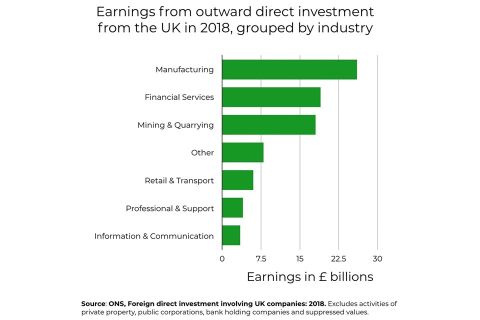
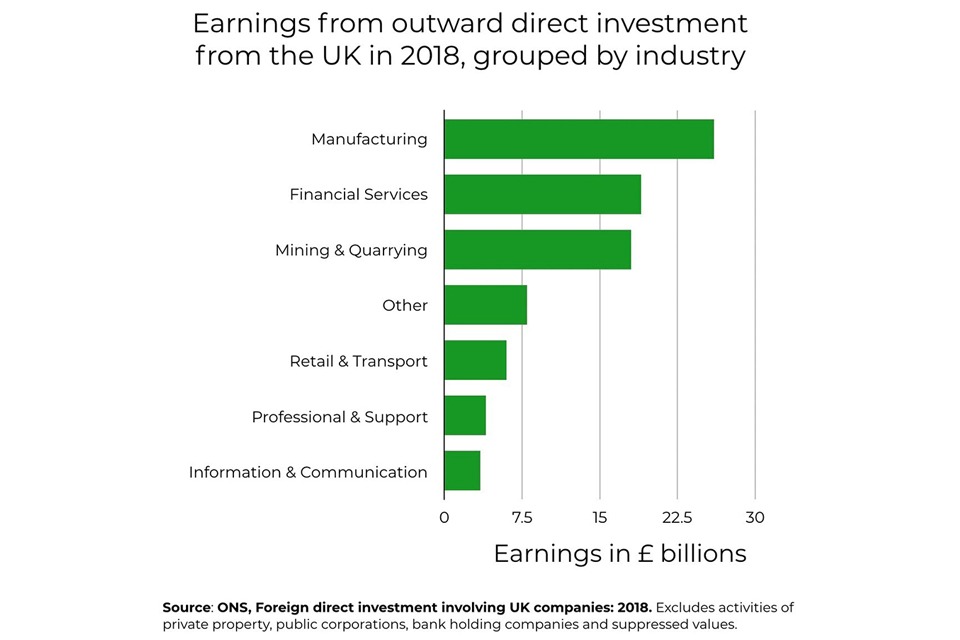
In 2018, UK companies’ net earnings from their investments abroad were roughly £94bn. These profits can be brought back to the UK to benefit shareholders and the wider public through taxation.

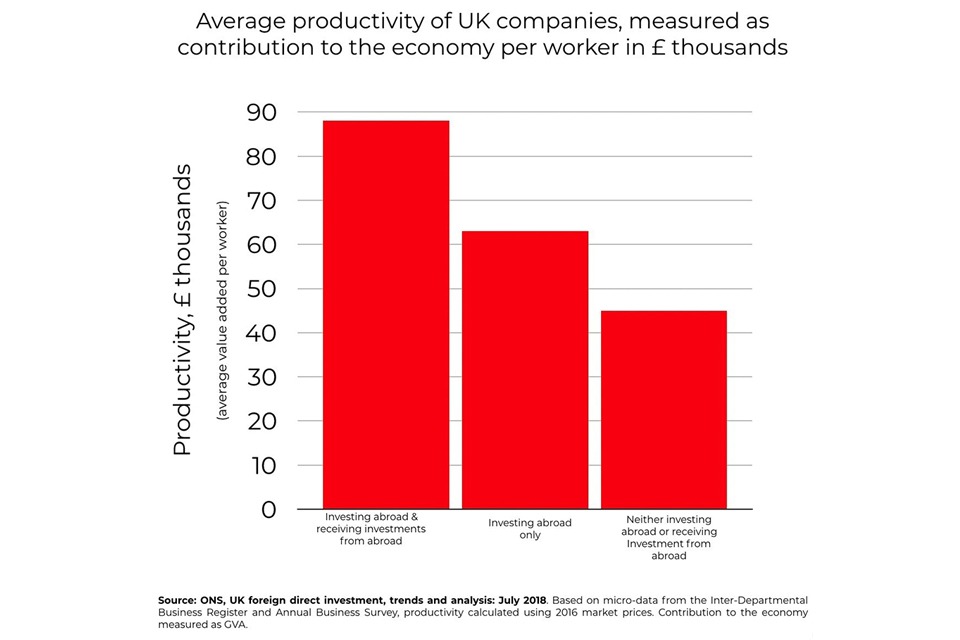
Evidence shows that UK companies that invest overseas become more competitive and productive. They pick up new technologies and local business know-how, which are then brought back to the UK.

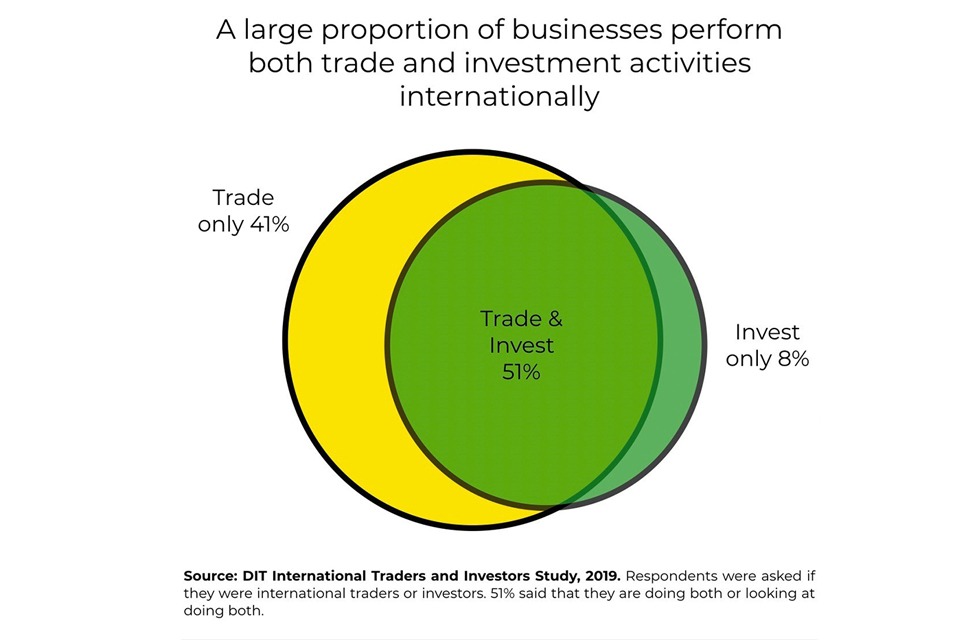
In a study of more than two thousand decision makers in businesses with turnover of more than $2m, roughly half both traded and invested, or were investigating opportunities.
Data from the Office of National Statistics shows UK direct investments in Africa amounted to more than £38bn in 2018. With huge growth predicted in so many African markets in sectors like technology, finance, renewables and agriculture, now is the time for UK businesses to seize these opportunities.
As we prepare for the UK-Africa Investment Summit on 20 January, we’re encouraging UK businesses of all shapes and sizes to #InvestInAfrica.
--Source - https://www.gov.uk
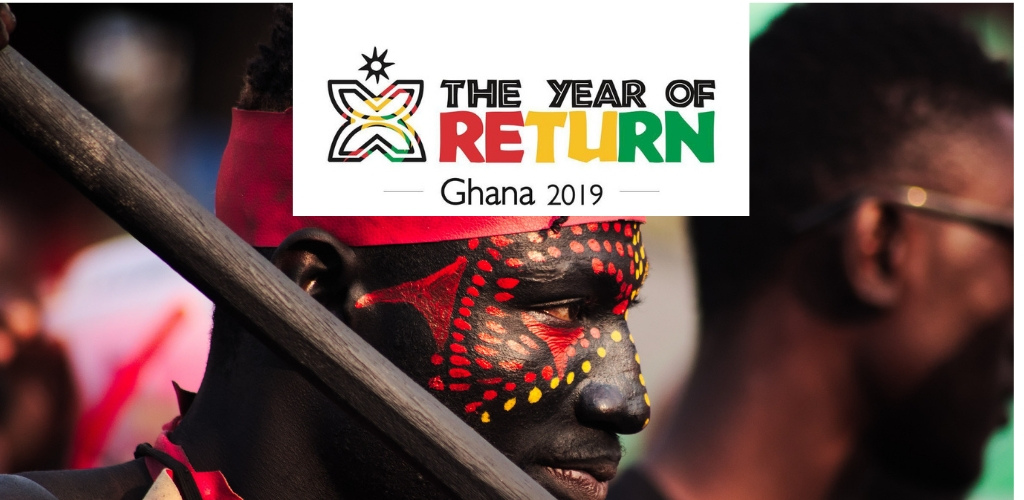
Ghana’s economy has generated a total of $1.9 billion through activities related to the “Year of Return.”
Some of the activities that have contributed to this figure include air travel, hotel accommodation, transport fares, as well as other key entertainment events.
“There has been tremendous community involvement which has stimulated the local economy including hoteliers, tour operating and other related businesses,” Ghana’s Tourism Minister Barbara Oteng-Gyasi said during the inauguration of a tourist center at Anomabo, a town in the Central Region.
| Related:- | Find made in Africa products and gift items here! |
The minister said the tourist center will serve as an information center and provide a welcoming environment for tourists, Graphic Online reports.

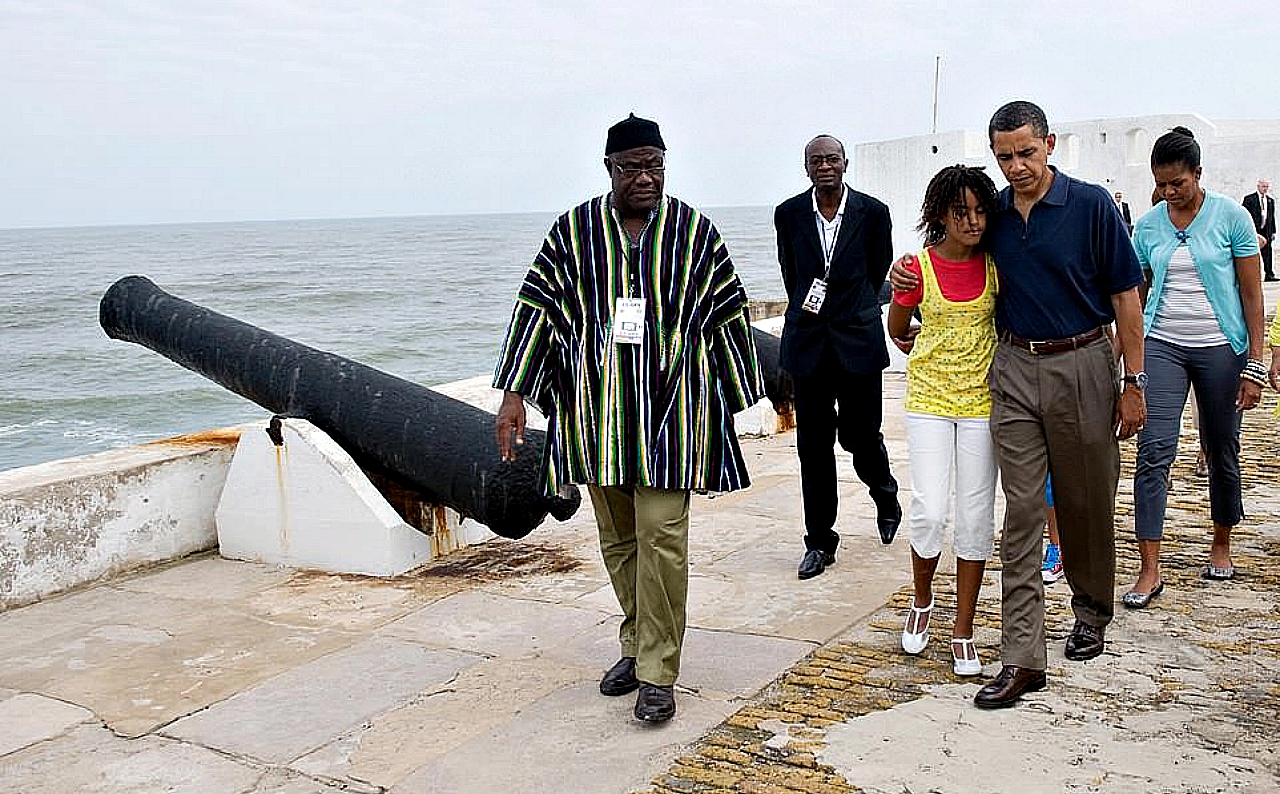
Ghana’s “Year of Return” program has already seen hundreds of African Americans visit the country to experience the history, culture and tradition upfront.
It is an initiative by the government of Ghana to mark 400 years since the first black slaves landed in Jamestown, Virginia.
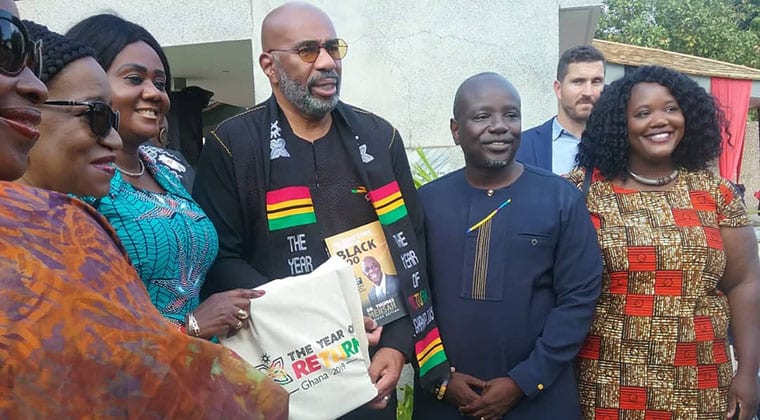
This initiative has seen an array of celebrities across the globe make their way into Ghana to explore, learn and appreciate their roots, as well as, unite with Africans on the continent.
Steve Harvey, Nicole Ari Parker, Diggy Simmons, and Micheal Jai White, and Bozoma Saint John have been among a host of celebrities to have spent a significant part of their month in Ghana.
The Minister of Tourism said the “Year of Return” had “cemented Ghana’s pan-African legacy and had put a global spotlight on the country and helped to position it as a historic, cultural and vibrant hub and had as well changed the narrative of what was reported about Ghana and the rest of Africa in general.”
As part of the yearlong “Year of Return” celebrations, the president of Ghana, Nana Addo Dankwa Akufo-Addo, recently granted citizenship to 126 diasporans who have been residing in the West African nation for several years.
Ghana is the only country in the 21st century that has legally offered to resettle people of African descent in Africa. In the year 2000, Ghana became the first African country to officially open its doors to people of African descent from all over the world.

The West African country passed the “Right of Abode” law which allows any person of African descent to apply and be granted the right to stay in Ghana indefinitely.
This was followed by the launch of the Diaspora Affairs Bureau under the foreign affairs ministry in 2014 to manage the migration and engage the diaspora to provide a sustainable link with various government agencies to achieve development and investment goals.
As of 2014, over 3,000 African-Americans and people of Caribbean descent are estimated to be living in Ghana.
In 2016 alone, 34 Afro-Caribbeans were granted Ghanaian citizenship to enjoy full benefits as Ghanaians. Those who have stayed on appreciate the warmth and peacefulness of the country despite the few cultural setbacks like being regarded as more American and Caribbean than African despite years of living in the country.
Meanwhile, Ghana’s ‘Year of Return’ Secretariat indicated last month that its data for the first nine months of 2019 showed 80,862 more arrivals from the United States of America (USA), Britain (UK) and other key target nations than the figure recorded the previous year.
The figures show that in-bound airport arrivals from the USA increased by 26 percent (17,455) and the UK by 24 percent (9,812). An official noted, “Total airport arrivals have increased by 45 percent (237,088), compared to last year.”
And to further make it easier for persons of color wanting to visit Ghana, the secretariat announced that it is offering visa on arrival for individuals traveling to Ghana to attend ‘Year of Return’ events.
--Source: https://face2faceafrica.com